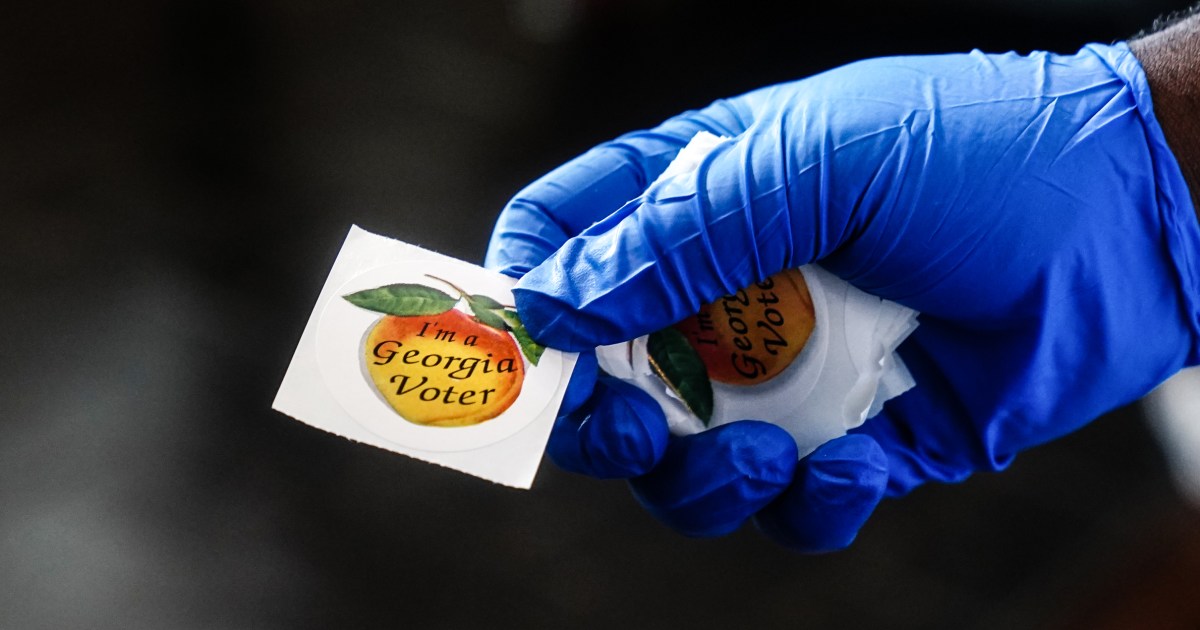
Georgia House Republicans advanced a bill that would give the state’s bureau of investigations jurisdiction on election crimes and voter fraud, just days after Florida lawmakers voted to create its own voter fraud police force.
The 39-page bill, which passed the GOP-controlled state House late Tuesday night, would empower the Georgia Bureau of Investigation, which typically works with local law enforcement on major crime investigations, to hunt for election code violations. It would hand the statewide agency power to subpoena documents with the consent of the attorney general and conduct any audits they see fit.
The legislation also makes changes to election administration, and comes after state Republicans passed a sweeping election law last year that added new ID requirements for mail voters and limited the use of ballot drop boxes, among other changes.
Advocates including Fair Fight Action, the New Georgia Project, and others are mobilizing to oppose the bill, which will head to the Senate next.
Election code violations are currently overseen by the Elections Division in Secretary of State Brad Raffensperger’s office, which investigates such matters.
Raffensperger, a Republican, refused to bow to pressure from former President Donald Trump to overturn his loss in Georgia in 2020 and has been criticized by Trump allies. In last year’s bill, the legislature removed Raffensperger from chairing the state’s Election Board within the division.
“The way it’s always worked up to this point is that the Secretary of State’s office — the people who actually f—— understand the election — they do the initial investigation,” said Nsé Ufot, CEO of the New Georgia Project, arguing that giving jurisdiction to the GBI will have a chilling effect on voters.
The bill moved quickly through the legislature this month, passing out of the House in the final hours of Tuesday’s “crossover day” — the final day in which bills must pass out of one chamber to make passage in the other chamber possible before the legislative session ends on April 4th.
The bill would limit the required number of voting machines counties must provide on Election Day by changing the formula for how many machines must be supplied. The change aims to account for the large numbers of mail and early voters in the state.
Advocates, however, warn that could create long lines at the polls. Ufot argued that lawmakers shouldn’t write policy based on how voters behaved during a pandemic because some may return to in-person voting.
The bill also provides new rules for how outside groups can provide donations or grants to election workers, requiring groups to request permission before offering as well as making contributions to the State Election Board, which would then distribute the donations in a “fair and equitable” manner. During the 2020 election, cash strapped counties applied for and received millions in grants from groups to help them run elections during the pandemic.
Voting rights advocates warn this would stop nonprofits from donating food and water to voters directly to election administrators a year after the legislature banned groups from giving voters food and water while they wait in line, as well as keep counties from much-needed grant money.
The bill would add restrictions to how ballots are handled before elections while removing the requirement that ballots be sealed for two years after an election. Advocates say unsealing ballots would make it easier for third-party groups to conduct audits. Last year, Trump supporters seeking an audit went to court to try and get ballots unsealed, but the suit was eventually dismissed after Georgia investigators told the court they could not find any counterfeit ballots.
Last week, Florida lawmakers passed a bill that would create their own election crimes police force, spending nearly $4 million to hire 25 people within the Department of State and the state’s police agency, the Florida Department of Law Enforcement, to investigate voter fraud. An Arizona Republican state senator also proposed similar legislation earlier this year.

Georgia House Republicans advanced a bill that would give the state’s bureau of investigations jurisdiction on election crimes and voter fraud, just days after Florida lawmakers voted to create its own voter fraud police force.The 39-page bill, which passed the GOP-controlled state House late Tuesday night, would empower the Georgia Bureau of Investigation, which typically works with local law enforcement on major crime investigations, to hunt for election code violations. It would hand the statewide agency power to subpoena documents with the consent of the attorney general and conduct any audits they see fit. The legislation also makes changes to election administration, and comes after state Republicans passed a sweeping election law last year that added new ID requirements for mail voters and limited the use of ballot drop boxes, among other changes.Advocates including Fair Fight Action, the New Georgia Project, and others are mobilizing to oppose the bill, which will head to the Senate next.Election code violations are currently overseen by the Elections Division in Secretary of State Brad Raffensperger’s office, which investigates such matters.Raffensperger, a Republican, refused to bow to pressure from former President Donald Trump to overturn his loss in Georgia in 2020 and has been criticized by Trump allies. In last year’s bill, the legislature removed Raffensperger from chairing the state’s Election Board within the division.”The way it’s always worked up to this point is that the Secretary of State’s office — the people who actually f—— understand the election — they do the initial investigation,” said Nsé Ufot, CEO of the New Georgia Project, arguing that giving jurisdiction to the GBI will have a chilling effect on voters.The bill moved quickly through the legislature this month, passing out of the House in the final hours of Tuesday’s “crossover day” — the final day in which bills must pass out of one chamber to make passage in the other chamber possible before the legislative session ends on April 4th.The bill would limit the required number of voting machines counties must provide on Election Day by changing the formula for how many machines must be supplied. The change aims to account for the large numbers of mail and early voters in the state.Advocates, however, warn that could create long lines at the polls. Ufot argued that lawmakers shouldn’t write policy based on how voters behaved during a pandemic because some may return to in-person voting.The bill also provides new rules for how outside groups can provide donations or grants to election workers, requiring groups to request permission before offering as well as making contributions to the State Election Board, which would then distribute the donations in a “fair and equitable” manner. During the 2020 election, cash strapped counties applied for and received millions in grants from groups to help them run elections during the pandemic.Voting rights advocates warn this would stop nonprofits from donating food and water to voters directly to election administrators a year after the legislature banned groups from giving voters food and water while they wait in line, as well as keep counties from much-needed grant money.The bill would add restrictions to how ballots are handled before elections while removing the requirement that ballots be sealed for two years after an election. Advocates say unsealing ballots would make it easier for third-party groups to conduct audits. Last year, Trump supporters seeking an audit went to court to try and get ballots unsealed, but the suit was eventually dismissed after Georgia investigators told the court they could not find any counterfeit ballots.Last week, Florida lawmakers passed a bill that would create their own election crimes police force, spending nearly $4 million to hire 25 people within the Department of State and the state’s police agency, the Florida Department of Law Enforcement, to investigate voter fraud. An Arizona Republican state senator also proposed similar legislation earlier this year.Jane C. TimmJane C. Timm is a senior reporter for NBC News.