
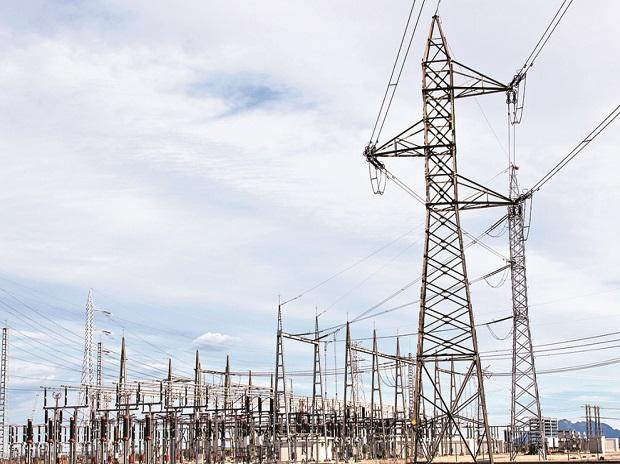
Union power ministry on Wednesday said there was no outage due to power shortage in the national capital amid concerns over coal supplies to power generation units
Topics
Power ministry | power crisis | Power Cuts
Union power ministry on Wednesday said there was no outage due to power shortage in the national capital amid concerns over coal supplies to power generation units.
The maximum demand of Delhi was 4,707 MW (peak) and 101.5 MU (energy) on October 12, the ministry said as it provided a fact sheet about the power supply situation in the national capital.
“As per the information received from Delhi discoms, there was no outage on account of power shortage as the required amount of power was supplied to them,” the ministry said in a statement on Wednesday.
The fact sheet provided by the ministry showed that there was no energy deficit in the city from September 27 to October 12.
In Delhi, 101.5 Million Units (MU) of electricity were available against a requirement of 101.5 MU on October 12.
According to the ministry, energy availability was higher than the requirement on October 11. On that day, 101.9 MU of electricity was available whereas the requirement was 101.1 MU.
It also showed that peak power demand and peak power demand met (supply) remained the same during the period. The power distribution companies (discoms) in Delhi had drawn less power than made available to them, as per the data.
Further, the data showed that coal plants of NTPC offered 17.49 MU of electricity to Tata Power Delhi Distribution Ltd (DDL) against the allocated 19.03 MU. But the Tata Power DDL had drawn 16.91 MU, which was 96.64 per cent of the energy made available to it by NTPC (coal).
Similarly, power made available by Damodar Valley Corporation (DVC) and NTPC (gas) to the discoms in Delhi was either equal to or more than that drawn by these utilities.
BSES Rajdhani Power Ltd and BSES Yamuna Power Ltd are the other two discoms in the national capital.
Various power plants in different parts of the country are grappling with fuel shortages and efforts are being made to increase fuel supplies.
Coal Minister Pralhad Joshi on Wednesday said cumulative coal supplies to thermal power plants crossed 2 million tonne on Tuesday and dispatch of the dry fuel is being enhanced to the plants.
(Only the headline and picture of this report may have been reworked by the Business Standard staff; the rest of the content is auto-generated from a syndicated feed.)
 Dear Reader,
Business Standard has always strived hard to provide up-to-date information and commentary on developments that are of interest to you and have wider political and economic implications for the country and the world. Your encouragement and constant feedback on how to improve our offering have only made our resolve and commitment to these ideals stronger. Even during these difficult times arising out of Covid-19, we continue to remain committed to keeping you informed and updated with credible news, authoritative views and incisive commentary on topical issues of relevance.
We, however, have a request.
As we battle the economic impact of the pandemic, we need your support even more, so that we can continue to offer you more quality content. Our subscription model has seen an encouraging response from many of you, who have subscribed to our online content. More subscription to our online content can only help us achieve the goals of offering you even better and more relevant content. We believe in free, fair and credible journalism. Your support through more subscriptions can help us practise the journalism to which we are committed.
Support quality journalism and subscribe to Business Standard.
Digital Editor
Union power ministry on Wednesday said there was no outage due to power shortage in the national capital amid concerns over coal supplies to power generation units Topics Power ministry | power crisis | Power Cuts Union power ministry on Wednesday said there was no outage due to power shortage in the national capital amid concerns over coal supplies to power generation units. The maximum demand of Delhi was 4,707 MW (peak) and 101.5 MU (energy) on October 12, the ministry said as it provided a fact sheet about the power supply situation in the national capital. “As per the information received from Delhi discoms, there was no outage on account of power shortage as the required amount of power was supplied to them,” the ministry said in a statement on Wednesday. The fact sheet provided by the ministry showed that there was no energy deficit in the city from September 27 to October 12. In Delhi, 101.5 Million Units (MU) of electricity were available against a requirement of 101.5 MU on October 12. According to the ministry, energy availability was higher than the requirement on October 11. On that day, 101.9 MU of electricity was available whereas the requirement was 101.1 MU. It also showed that peak power demand and peak power demand met (supply) remained the same during the period. The power distribution companies (discoms) in Delhi had drawn less power than made available to them, as per the data. Further, the data showed that coal plants of NTPC offered 17.49 MU of electricity to Tata Power Delhi Distribution Ltd (DDL) against the allocated 19.03 MU. But the Tata Power DDL had drawn 16.91 MU, which was 96.64 per cent of the energy made available to it by NTPC (coal). Similarly, power made available by Damodar Valley Corporation (DVC) and NTPC (gas) to the discoms in Delhi was either equal to or more than that drawn by these utilities. BSES Rajdhani Power Ltd and BSES Yamuna Power Ltd are the other two discoms in the national capital. Various power plants in different parts of the country are grappling with fuel shortages and efforts are being made to increase fuel supplies. Coal Minister Pralhad Joshi on Wednesday said cumulative coal supplies to thermal power plants crossed 2 million tonne on Tuesday and dispatch of the dry fuel is being enhanced to the plants.(Only the headline and picture of this report may have been reworked by the Business Standard staff; the rest of the content is auto-generated from a syndicated feed.) Dear Reader, Business Standard has always strived hard to provide up-to-date information and commentary on developments that are of interest to you and have wider political and economic implications for the country and the world. Your encouragement and constant feedback on how to improve our offering have only made our resolve and commitment to these ideals stronger. Even during these difficult times arising out of Covid-19, we continue to remain committed to keeping you informed and updated with credible news, authoritative views and incisive commentary on topical issues of relevance. We, however, have a request. As we battle the economic impact of the pandemic, we need your support even more, so that we can continue to offer you more quality content. Our subscription model has seen an encouraging response from many of you, who have subscribed to our online content. More subscription to our online content can only help us achieve the goals of offering you even better and more relevant content. We believe in free, fair and credible journalism. Your support through more subscriptions can help us practise the journalism to which we are committed. Support quality journalism and subscribe to Business Standard. Digital Editor