
|


Berlin,
Feb
12:
Most
people
living
in
Germany
want
politicians
to
do
more
to
protect
the
environment
and
many
are
willing
to
change
their
consumption
habits
accordingly,
a
study
released
on
Friday
has
shown.

The
study,
titled
“Environmental
Awareness
in
Germany
2020”
and
commissioned
by
the
German
Environment
Agency
(UBA),
surveyed
2,115
German
residents
aged
14
and
over
in
November
and
December
2020.
What
did
the
study
show?
A
large
majority
of
participants
in
the
study
voiced
support
for
measures
to
protect
the
environment
and
the
climate.
This
support
was
particularly
strong
with
regard
to
food
and
agriculture:
92%
were
in
favor
of
giving
greater
support
to
environmentally
friendly
methods
of
farming,
with
93%
backing
a
reduction
in
the
use
of
pesticides
and
86%
a
reduction
in
the
use
of
artificial
fertilizers.
Eighty-six
percent
wanted
to
see
agricultural
subsidies
dependent
on
ecological
criteria.
Many
of
those
asked
(67%)
were
also
ready
to
eat
less
meat
in
the
future
and
wanted
business
and
school
canteens
to
offer
vegetarian
options.
A
majority
was
also
willing
to
accept
restrictions
on
their
own
behavior,
with
64%
in
favor
of
a
universal
speed
limit
on
German
highways,
60%
determined
to
buy
energy-efficient
appliances
and
74%
ready
to
“consume
less
in
general.”
In
the
realm
of
mobility,
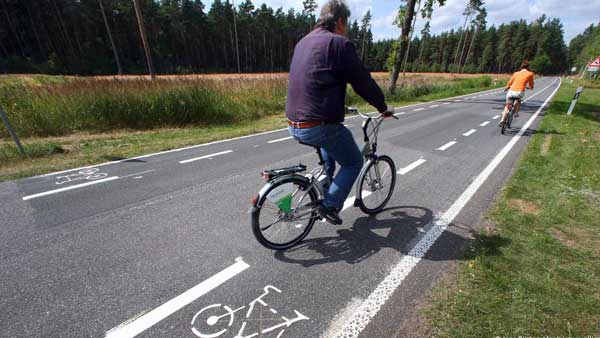
84%
were
in
favor
of
more
and
better
bike
paths
and
89%
for
improvements
to
public
transport,
including
more
stops
and
more
frequent
service.
UBA
President
Dirk
Messner
told
newspapers
of
the
Funke
media
group
that
61%
of
respondents
at
least
partly
renounced
plane
travel,
while
18%
could
imagine
doing
so.
Economic
barrier
to
environmentally
friendly
behavior
However,
Messner
also
said
there
were
limits
to
the
changes
people
were
prepared
to
accept.
“People
do
not
want
climate
protection
at
any
price.
If
the
ecological
transformation
of
the
economy
leads
to
job
losses,
50%
would
prefer
job
security.”
He
said
that
if
political
measures
were
to
be
accepted,
it
was
important
that
“the
social
dimension
is
kept
in
mind
—
and
put
on
a
par
with
the
environmental
and
climate
considerations.”
Messner
added
that
people
were
“more
and
more
annoyed”
by
prescriptions
on
how
to
live.
Four
years
ago,
37%
had
said
they
did
not
want
to
be
told
what
to
do
environmentally,
a
figure
that
rose
to
52%
in
the
most
recent
survey,
according
to
Messner.
“Wagging
a
moral
finger
doesn’t
work,”
he
said,
adding
that
it
was
better
to
simply
improve
public
transport,
build
new
bike
paths
or
reduce
the
amount
of
meat
offered
in
canteens.
The
study
also
showed,
however,
that
the
willingness
to
do
more
to
protect
the
environment
and
the
climate
did
not
always
lead
to
the
relevant
behavior
patterns.
It
said
that
lack
of
time
and
money
or
strains
at
home
or
work,
as
well
as
deficient
infrastructure,
all
caused
people
not
to
act
on
their
principles.
“We
have
to
look
carefully
at
the
barriers
that
exist
for
citizens.
Politiicans
must
make
it
easier
for
people
to
live
sustainably
and
adapt
their
everyday
routines,”
Messner
said.
Edited
by:
Sean
Sinico
Source: DW
For Quick Alerts Subscribe Now For Quick Alerts ALLOW NOTIFICATIONS | Updated: Saturday, February 12, 2022, 12:44 [IST] Berlin, Feb 12: Most people living in Germany want politicians to do more to protect the environment and many are willing to change their consumption habits accordingly, a study released on Friday has shown. The study, titled “Environmental Awareness in Germany 2020” and commissioned by the German Environment Agency (UBA), surveyed 2,115 German residents aged 14 and over in November and December 2020. What did the study show? A large majority of participants in the study voiced support for measures to protect the environment and the climate. This support was particularly strong with regard to food and agriculture: 92% were in favor of giving greater support to environmentally friendly methods of farming, with 93% backing a reduction in the use of pesticides and 86% a reduction in the use of artificial fertilizers. Eighty-six percent wanted to see agricultural subsidies dependent on ecological criteria. Many of those asked (67%) were also ready to eat less meat in the future and wanted business and school canteens to offer vegetarian options. A majority was also willing to accept restrictions on their own behavior, with 64% in favor of a universal speed limit on German highways, 60% determined to buy energy-efficient appliances and 74% ready to “consume less in general.” In the realm of mobility, 84% were in favor of more and better bike paths and 89% for improvements to public transport, including more stops and more frequent service. UBA President Dirk Messner told newspapers of the Funke media group that 61% of respondents at least partly renounced plane travel, while 18% could imagine doing so. Economic barrier to environmentally friendly behavior However, Messner also said there were limits to the changes people were prepared to accept. “People do not want climate protection at any price. If the ecological transformation of the economy leads to job losses, 50% would prefer job security.” He said that if political measures were to be accepted, it was important that “the social dimension is kept in mind — and put on a par with the environmental and climate considerations.” Messner added that people were “more and more annoyed” by prescriptions on how to live. Four years ago, 37% had said they did not want to be told what to do environmentally, a figure that rose to 52% in the most recent survey, according to Messner. “Wagging a moral finger doesn’t work,” he said, adding that it was better to simply improve public transport, build new bike paths or reduce the amount of meat offered in canteens. The study also showed, however, that the willingness to do more to protect the environment and the climate did not always lead to the relevant behavior patterns. It said that lack of time and money or strains at home or work, as well as deficient infrastructure, all caused people not to act on their principles. “We have to look carefully at the barriers that exist for citizens. Politiicans must make it easier for people to live sustainably and adapt their everyday routines,” Messner said. Edited by: Sean Sinico Source: DW