
On Monday morning, a handful of health care employees
appeared in front of a judge to argue that it was appropriate for them to take
jobs where they would make more money and be able to spend more time with their
kids. The new job was a “life-changing” opportunity, one said during the
hearing, that she couldn’t possibly turn down. But administrators at the hospital
where she worked insisted that a “collective resignation”—of seven workers—would
“cripple” the medical center’s ability to treat patients during “some of the
worst days of the Covid-19 pandemic.” As of Tuesday, a temporary restraining
order has been lifted, and the workers are allowed to take their new jobs,
though the case will go on. The strange episode is a window into how fragile
the health care system has become and how far employers are willing to go to
punish employees for circumstances outside the workers’ control.
The case, filed last week in a district court in Wisconsin,
has been covered aggressively by Madeline Heim at the Appleton Post-Crescent
and picked up in the national news—the kind of bizarre legal outlier that
reflects several overlapping crisis and suggests tangible consequences for the
attitude that health workers are “heroes” ultimately responsible for public
health. “We’ve definitely entered an alternate universe,” an employment lawyer told The New York Times. “We have managements incapable of controlling
labor and asking courts to prevent the free market from happening.” But the
labor involved wasn’t just any labor; it was the labor performed by medical
staff, who since the beginning of the pandemic have been in the unenviable
position of being both workers and pieces of critical infrastructure.
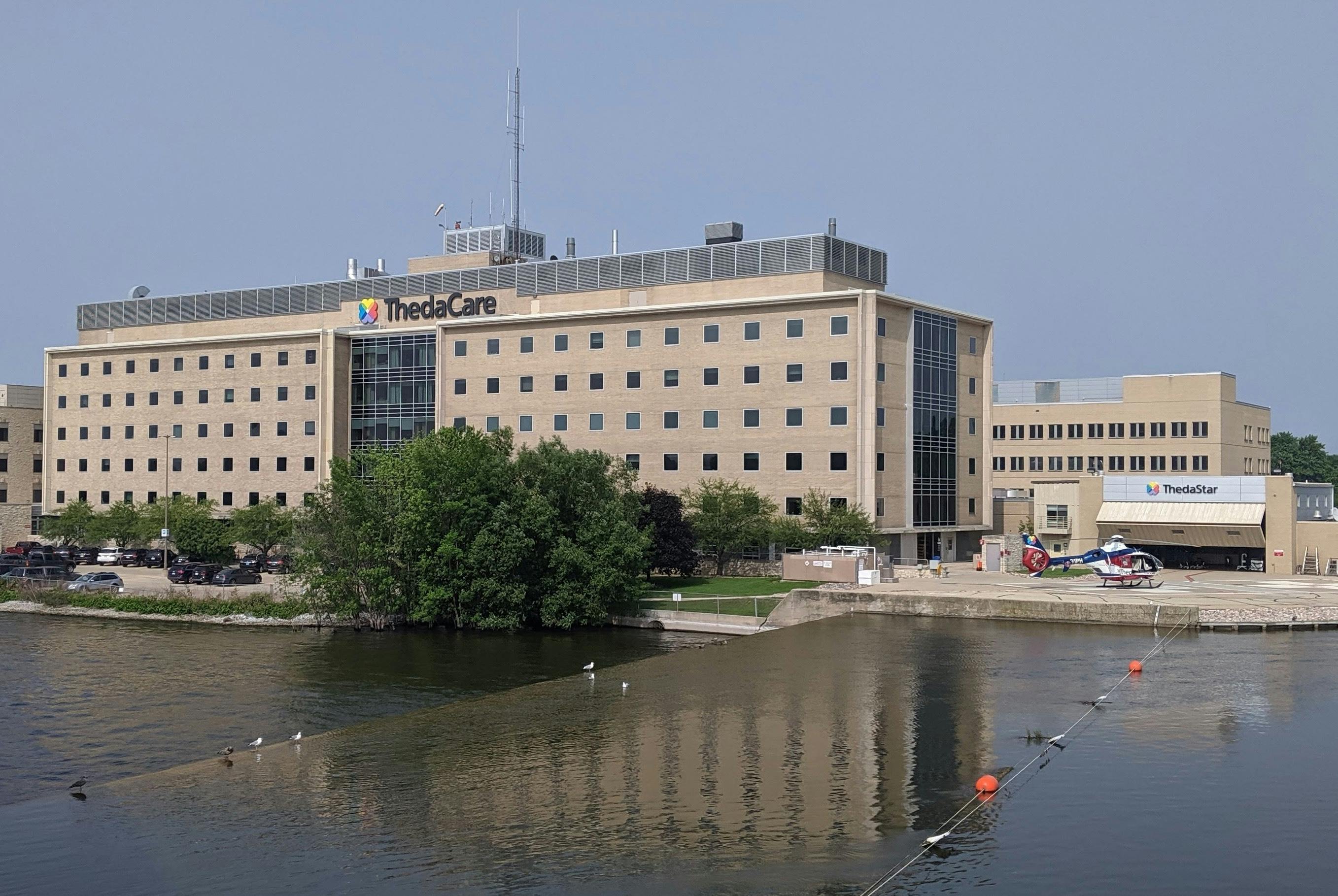
ThedaCare, the nonprofit system that sued to keep its
employees from leaving until it could find replacements, owns seven
hospitals that serve roughly 600,000 patients across Wisconsin every year; it reported
net revenue of over $104 million in 2020 and has received at least $45
million in provider relief from the federal government since the pandemic
began. Like most health care settings in the United States, ThedaCare has faced
massive staffing shortages. According to a recent report, Wisconsin is
seeing more
Covid-19 hospitalizations now than at any point in the pandemic so far. But
despite the dire need, medical workers across the country have described
being poorly compensated or forced to work unreasonable hours. In ThedaCare’s
case, an
attorney described dissatisfactory management and positions in which
employees were chronically underpaid. It seems the workers in this case simply found
better positions before their employer figured out the actual value of their
work, even after they requested to have their new offers matched.
In the suit the hospital brought against Ascension
St. Elizabeth, a
Catholic hospital not far away, ThedaCare argued its competitor had
aggressively recruited a group of workers with no concern for the broader public
good: “The health care system is facing unprecedented crisis,” the system’s
attorneys said, and “Ascension chose to proceed anyway, prioritizing its own
self-interests.” Essentially, ThedaCare argued, if those seven workers left it
would be unable to provide on-demand specialized care; the workers made up a
significant chunk of a team responsible for interventional radiology and cardiovascular
services and were often tasked with being on call during irregular hours.
But taking the argument somewhat further, ThedaCare argued the omicron surge
meant that if these workers left and a patient needed to travel elsewhere for
care, there might be no ambulance drivers to take them, and no beds if
they were even to arrive somewhere else—a claim that’s difficult to believe
considering Ascension is just seven miles away. Still, “the public
cannot afford a disruption of the comprehensive medical services that ThedaCare
provides,” the suit read, requesting an injunction that would prevent the
workers from taking their new jobs until the hospital had found replacements.
It was an argument a judge found compelling enough to issue a temporary
restraining order on Friday keeping the workers from starting their new
positions. The invocation of a public safety crisis does
tend to carry some weight, though notably the complaint also pointed out
that the hospital could lose a trauma designation should it be forced to
temporarily stop providing some services, and those
trauma certifications are
often associated with increased billing capacity (and, one would assume, profits) that come from “activating” a specialized team.
Unsurprisingly, the medical workers had a different
recollection of events: One of the employees wrote in a letter to the judge
that they had received an “outstanding offer” from the other hospital
that included better pay and benefits, along with a more reasonable work-life
balance. Their colleagues also rushed to apply for a series of open jobs at
Ascension. As was pointed out in their letter, the group
approached the hospital in late December in the hopes of receiving a
counteroffer but was told “the long term expense to ThedaCare was not worth
the short term cost.” Another ThedaCare employee described being told by a
manager that she’d receive communication about a retention bonus that never
came. “I’ve given my life” to ThedaCare, she said. “They don’t care.” Or, as
another put it somewhat more succinctly in court, “Nobody cared how magical
what we do here was until today.”
In Monday’s
arguments, an attorney for ThedaCare asked the judge to imagine patients
dying before they could be transferred to another facility. It’s a pretty
cynical way to try to pull off an unprecedented attempt to keep workers on the
job in an at-will state. But it’s a natural, if somewhat extreme, conclusion of
the logic that has kept nurses across the country with nine-to-one
patient ratios or asks them
to come into work when they’ve tested positive for Covid-19. “This
is a moment when health care workers are needed more than ever before, but they
are not being valued, respected, or compensated for their essential work,” said
Pat Raes, a nurse and the president of Wisconsin’s
largest health care union, which represents some service workers at
ThedaCare’s hospitals, though not the seven who had to go to court in order to
be allowed to switch jobs. As the health care system faces preventable collapse
in yet another pandemic-era crisis, it’s telling that workers like these are
only notified of how indispensable they are when they leave. And it’s horrifying that workers seeking slightly better conditions would be blamed, even implicitly, for patient deaths.
On Monday morning, a handful of health care employees appeared in front of a judge to argue that it was appropriate for them to take jobs where they would make more money and be able to spend more time with their kids. The new job was a “life-changing” opportunity, one said during the hearing, that she couldn’t possibly turn down. But administrators at the hospital where she worked insisted that a “collective resignation”—of seven workers—would “cripple” the medical center’s ability to treat patients during “some of the worst days of the Covid-19 pandemic.” As of Tuesday, a temporary restraining order has been lifted, and the workers are allowed to take their new jobs, though the case will go on. The strange episode is a window into how fragile the health care system has become and how far employers are willing to go to punish employees for circumstances outside the workers’ control. The case, filed last week in a district court in Wisconsin, has been covered aggressively by Madeline Heim at the Appleton Post-Crescent and picked up in the national news—the kind of bizarre legal outlier that reflects several overlapping crisis and suggests tangible consequences for the attitude that health workers are “heroes” ultimately responsible for public health. “We’ve definitely entered an alternate universe,” an employment lawyer told The New York Times. “We have managements incapable of controlling labor and asking courts to prevent the free market from happening.” But the labor involved wasn’t just any labor; it was the labor performed by medical staff, who since the beginning of the pandemic have been in the unenviable position of being both workers and pieces of critical infrastructure. ThedaCare, the nonprofit system that sued to keep its employees from leaving until it could find replacements, owns seven hospitals that serve roughly 600,000 patients across Wisconsin every year; it reported net revenue of over $104 million in 2020 and has received at least $45 million in provider relief from the federal government since the pandemic began. Like most health care settings in the United States, ThedaCare has faced massive staffing shortages. According to a recent report, Wisconsin is seeing more Covid-19 hospitalizations now than at any point in the pandemic so far. But despite the dire need, medical workers across the country have described being poorly compensated or forced to work unreasonable hours. In ThedaCare’s case, an attorney described dissatisfactory management and positions in which employees were chronically underpaid. It seems the workers in this case simply found better positions before their employer figured out the actual value of their work, even after they requested to have their new offers matched.In the suit the hospital brought against Ascension St. Elizabeth, a Catholic hospital not far away, ThedaCare argued its competitor had aggressively recruited a group of workers with no concern for the broader public good: “The health care system is facing unprecedented crisis,” the system’s attorneys said, and “Ascension chose to proceed anyway, prioritizing its own self-interests.” Essentially, ThedaCare argued, if those seven workers left it would be unable to provide on-demand specialized care; the workers made up a significant chunk of a team responsible for interventional radiology and cardiovascular services and were often tasked with being on call during irregular hours. But taking the argument somewhat further, ThedaCare argued the omicron surge meant that if these workers left and a patient needed to travel elsewhere for care, there might be no ambulance drivers to take them, and no beds if they were even to arrive somewhere else—a claim that’s difficult to believe considering Ascension is just seven miles away. Still, “the public cannot afford a disruption of the comprehensive medical services that ThedaCare provides,” the suit read, requesting an injunction that would prevent the workers from taking their new jobs until the hospital had found replacements. It was an argument a judge found compelling enough to issue a temporary restraining order on Friday keeping the workers from starting their new positions. The invocation of a public safety crisis does tend to carry some weight, though notably the complaint also pointed out that the hospital could lose a trauma designation should it be forced to temporarily stop providing some services, and those trauma certifications are often associated with increased billing capacity (and, one would assume, profits) that come from “activating” a specialized team. Unsurprisingly, the medical workers had a different recollection of events: One of the employees wrote in a letter to the judge that they had received an “outstanding offer” from the other hospital that included better pay and benefits, along with a more reasonable work-life balance. Their colleagues also rushed to apply for a series of open jobs at Ascension. As was pointed out in their letter, the group approached the hospital in late December in the hopes of receiving a counteroffer but was told “the long term expense to ThedaCare was not worth the short term cost.” Another ThedaCare employee described being told by a manager that she’d receive communication about a retention bonus that never came. “I’ve given my life” to ThedaCare, she said. “They don’t care.” Or, as another put it somewhat more succinctly in court, “Nobody cared how magical what we do here was until today.” In Monday’s arguments, an attorney for ThedaCare asked the judge to imagine patients dying before they could be transferred to another facility. It’s a pretty cynical way to try to pull off an unprecedented attempt to keep workers on the job in an at-will state. But it’s a natural, if somewhat extreme, conclusion of the logic that has kept nurses across the country with nine-to-one patient ratios or asks them to come into work when they’ve tested positive for Covid-19. “This is a moment when health care workers are needed more than ever before, but they are not being valued, respected, or compensated for their essential work,” said Pat Raes, a nurse and the president of Wisconsin’s largest health care union, which represents some service workers at ThedaCare’s hospitals, though not the seven who had to go to court in order to be allowed to switch jobs. As the health care system faces preventable collapse in yet another pandemic-era crisis, it’s telling that workers like these are only notified of how indispensable they are when they leave. And it’s horrifying that workers seeking slightly better conditions would be blamed, even implicitly, for patient deaths.