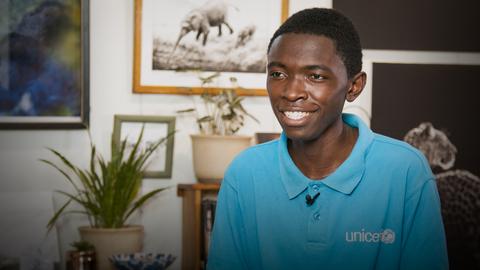
The climate crisis has been largely caused by irresponsible adults in developed countries, but it’s the children of developing nations — like Zimbabwean environmental activist Nkosilathi Nyathi — that suffer from the most disastrous consequences. In a world where climate catastrophe feels almost unstoppable, we must involve everyone in finding solutions — especially young people, who have the most at stake. “My generation has more to offer than ever before,” Nyathi says. “We live climate change in a way our parents’ generation did not.”
Become a TED Member
Want to hear more great ideas like this one? Sign up for TED Membership to get exclusive access to captivating conversations, engaging events, and more!
This talk was presented at a TED Salon event given in partnership with UNICEF. TED’s editors chose to feature it for you.
The climate crisis has been largely caused by irresponsible adults in developed countries, but it’s the children of developing nations — like Zimbabwean environmental activist Nkosilathi Nyathi — that suffer from the most disastrous consequences. In a world where climate catastrophe feels almost unstoppable, we must involve everyone in finding solutions — especially young people, who have the most at stake. “My generation has more to offer than ever before,” Nyathi says. “We live climate change in a way our parents’ generation did not.”
This talk was presented at a TED Salon event given in partnership with UNICEF. TED’s editors chose to feature it for you.
UNICEF Youth Advocate Nkosilathi Nyathi has been a climate change and environmental issues advocate since the age of 10.
Learn more
About TED Salon
TED Salons welcome an intimate audience for an afternoon or evening of highly-curated TED Talks revolving around a globally relevant theme. A condensed version of a TED flagship conference, they are distinct in their brevity, opportunities for conversation, and heightened interaction between the speaker and audience.
The climate crisis has been largely caused by irresponsible adults in developed countries, but it’s the children of developing nations — like Zimbabwean environmental activist Nkosilathi Nyathi — that suffer from the most disastrous consequences. In a world where climate catastrophe feels almost unstoppable, we must involve everyone in finding solutions — especially young people, who have the most at stake. “My generation has more to offer than ever before,” Nyathi says. “We live climate change in a way our parents’ generation did not.”Become a TED MemberWant to hear more great ideas like this one? Sign up for TED Membership to get exclusive access to captivating conversations, engaging events, and more!This talk was presented at a TED Salon event given in partnership with UNICEF. TED’s editors chose to feature it for you.Read more about TED Salons.The climate crisis has been largely caused by irresponsible adults in developed countries, but it’s the children of developing nations — like Zimbabwean environmental activist Nkosilathi Nyathi — that suffer from the most disastrous consequences. In a world where climate catastrophe feels almost unstoppable, we must involve everyone in finding solutions — especially young people, who have the most at stake. “My generation has more to offer than ever before,” Nyathi says. “We live climate change in a way our parents’ generation did not.”This talk was presented at a TED Salon event given in partnership with UNICEF. TED’s editors chose to feature it for you.Read more about TED Salons.UNICEF Youth Advocate Nkosilathi Nyathi has been a climate change and environmental issues advocate since the age of 10.Learn moreAbout TED SalonTED Salons welcome an intimate audience for an afternoon or evening of highly-curated TED Talks revolving around a globally relevant theme. A condensed version of a TED flagship conference, they are distinct in their brevity, opportunities for conversation, and heightened interaction between the speaker and audience.