


As COVID-19 cases surge, fueled by the highly transmissible omicron variant of the coronavirus, Americans are wondering how to approach the holidays and safely travel and gather with friends and family.
The pace of new cases in the U.S. is up 41% compared to a month ago, according to a USA TODAY analysis of Johns Hopkins data. For much of December, cases appeared to hover around 120,000 but have recently jumped to more than 130,000 a day.
As of Saturday, modeling showed the omicron variant accounted for 73.2 % of new COVID-19 infections in the nation, the Centers for Disease Control and Prevention reported. The week ending Dec. 11, it accounted for just 12.6 % of new cases.
Health experts say COVID-19 vaccines are less effective against the new strain, which may lead to more breakthrough infections. Data has shown boosters provide more protection against omicron, but the CDC reports only 30% of the eligible population has received their booster.
Here are answers to some common questions:
What do I do if I have a close contact to COVID-19?
The CDC defines close contact as being within six feet of someone with COVID-19 for a cumulative total of 15 minutes or more over a 24-hour period.
The agency urges unvaccinated people quarantine if they’ve had close contact with someone with COVID-19, which entails:
- Staying home for 14 days after your last contact with the infected person.
- Watching for symptoms like a fever of 100.4◦F, cough, or shortness of breath.
- If possible staying away from people you live with, especially those who are at higher risk for severe disease with COVID.
The CDC recommends consulting your local health department’s website for more information on quarantine. In some states, unvaccinated individuals can shorten their quarantine to 10 days without testing if they don’t develop symptoms or seven days upon receiving a negative test result.
Misinformation about COVID is spreading: Experts explain why and how to spot false claims.
COVID winter: Stressed hospitals, weary nurses brace for another COVID-19 surge
What ‘super immunity’ looks like: Full vaccination against COVID-19 and a breakthrough infection
People who are fully vaccinated do NOT need to quarantine after contact with someone who had COVID-19 unless they develop symptoms, the CDC says. However, they should still get tested five to seven days after their exposure and wear a mask in indoor public settings for 14 days following exposure or until they get a negative test result.
When do you become contagious with COVID-19?
A person infected with COVID-19 may be contagious 48 hours before symptoms start, health experts say. Early studies have shown people may be most likely to unknowingly spread the virus to others during that initial two-day period.
How soon after contact with infected person should you get tested?
The CDC recommends people get tested five to seven days after exposure and wear a mask in indoor public settings for 14 days following exposure or until they get a negative test result.
Omicron’s spread: What it could mean for holiday plans
Asymptomatic COVID: More than 40% of people with COVID-19 never show symptoms, study finds
When COVID cancels vacation: How to get a refund for your Airbnb or Vrbo rental
What to do if you’re vaccinated, test positive and feel sick
Regardless of vaccination status, health experts say Americans should not travel to see family or friends if they’ve tested positive for COVID-19. Unfortunately, that may mean canceling holiday plans.
According to the CDC, people who test positive for COVID-19 and are experiencing symptoms should:
- Monitor their symptoms. If you’re having trouble breathing, persistent pain or pressure in the chest, or new confusion, seek emergency medical care immediately.
- Stay in a separate room from other household members, if possible.
- Use a separate bathroom, if possible.
- Avoid contact with other members of the household and pets.
- Don’t share personal household items.
- Wear a mask when around other people.
The CDC says a person infected with COVID-19 should isolate from people for 10 full days, counting day 1 as the first full day after symptoms developed. Following isolation, health experts say it’s not always necessary to retest.
“A positive test doesn’t necessarily mean you have to wait another 10 days because we know that these tests can stay positive for a while,” said Dr. Purvi Parikh, an allergist and immunologist with the Allergy & Asthma Network, a nonprofit for allergy, asthma and immune conditions. “After 10 days, it’s very unlikely you’ll be contagious.”
During the isolation period, she recommends resting, hydrating with lots of fluids and alleviating symptoms with over-the-counter pain medication.
If you’re vaccinated and asymptomatic and test positive
Even if you’re asymptomatic, health experts say it’s important to isolate after testing positive for COVID-19.
If you test positive for COVID-19 and never develop symptoms, the CDC says day 0 is the day of your positive viral test and day 1 is the first full day after your positive test.
But if you develop symptoms before the 10-day isolation period is over, the agency says your period must start over with day 0 being the first day of symptoms and day 1 the first full day after symptoms develop.
Even if symptoms never develop, the CDC recommends following the same rules of isolation as someone who does have symptoms including avoiding contact with other household members, using separate facilities, not sharing personal items and wearing a mask.
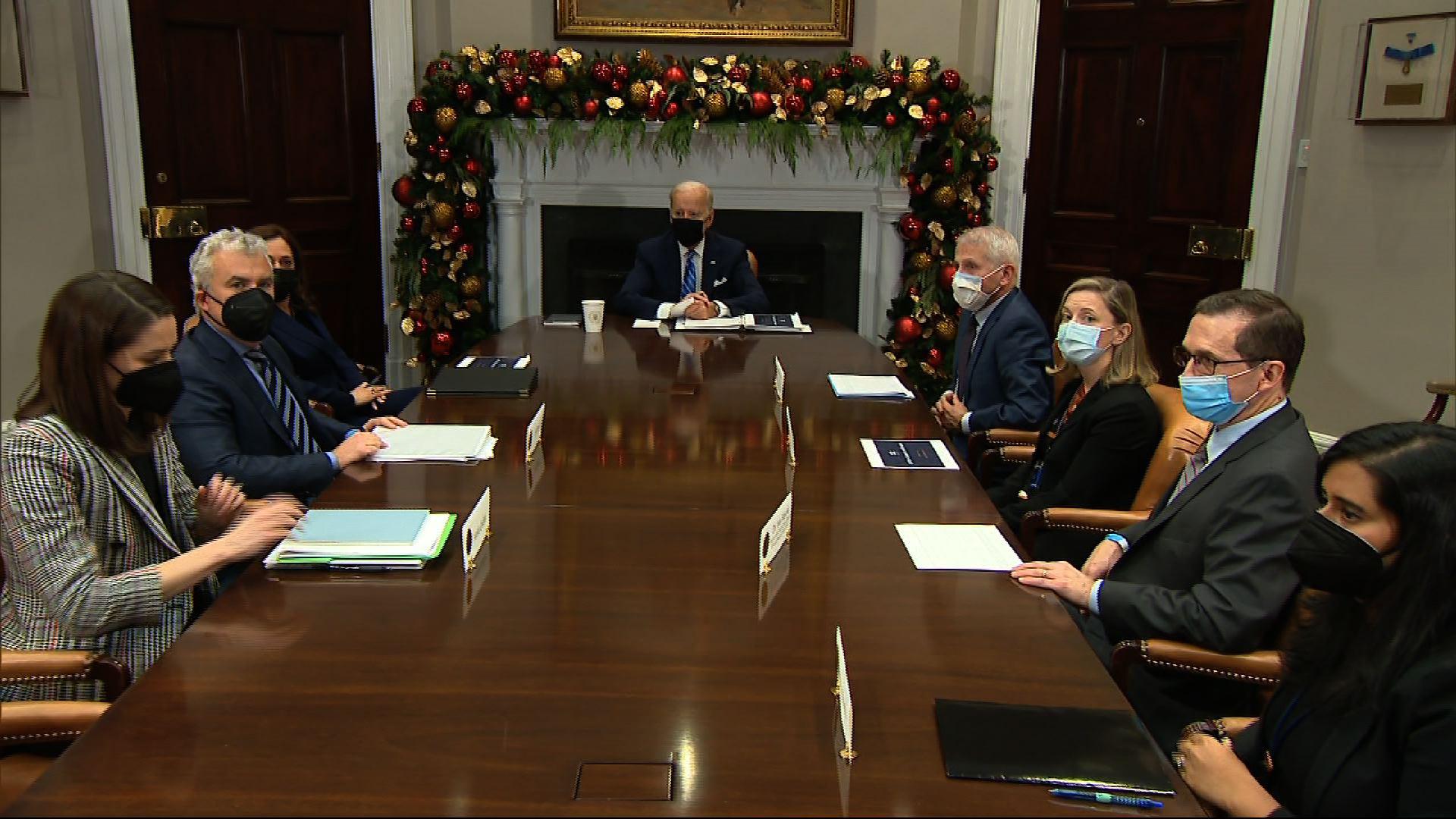
Biden warns of illness and death as omicron surges
Warning the omicron variant of the coronavirus “is here,” President Joe Biden predicts a “winter of severe illness and death” for those who are still unvaccinated and implores Americans anew to get their shots and boosters. (Dec. 16)
AP
If you’re unvaccinated and test positive
If you’re not feeling sick and have yet to test positive for COVID-19, health experts urge unvaccinated Americans to get vaccinated as soon as possible.
Those who tested positive for COVID-19 and are unvaccinated should follow the same isolation rules as people who are fully vaccinated and infected.
However, people who are unvaccinated are more at risk severe disease, hospitalization and death, Parikh said, which means they should be extra vigilant of symptoms that may require emergency care.
Regardless of vaccination status, people who are at high risk for severe disease like those over 65, are immunocompromised or have underlying medical conditions should call their doctor for early treatment options.
“You should strongly consider monoclonal antibody infusion preferably 2 to 3 days after (testing positive),” Parikh said. “It will lessen your chances of needing to be admitted in the hospital or dying of COVID-19.”
Contributing: Mike Stucka, USA TODAY. Follow Adrianna Rodriguez on Twitter: @AdriannaUSAT.
Health and patient safety coverage at USA TODAY is made possible in part by a grant from the Masimo Foundation for Ethics, Innovation and Competition in Healthcare. The Masimo Foundation does not provide editorial input.
As COVID-19 cases surge, fueled by the highly transmissible omicron variant of the coronavirus, Americans are wondering how to approach the holidays and safely travel and gather with friends and family. The pace of new cases in the U.S. is up 41% compared to a month ago, according to a USA TODAY analysis of Johns Hopkins data. For much of December, cases appeared to hover around 120,000 but have recently jumped to more than 130,000 a day.As of Saturday, modeling showed the omicron variant accounted for 73.2 % of new COVID-19 infections in the nation, the Centers for Disease Control and Prevention reported. The week ending Dec. 11, it accounted for just 12.6 % of new cases. Health experts say COVID-19 vaccines are less effective against the new strain, which may lead to more breakthrough infections. Data has shown boosters provide more protection against omicron, but the CDC reports only 30% of the eligible population has received their booster.Here are answers to some common questions: What do I do if I have a close contact to COVID-19?The CDC defines close contact as being within six feet of someone with COVID-19 for a cumulative total of 15 minutes or more over a 24-hour period. The agency urges unvaccinated people quarantine if they’ve had close contact with someone with COVID-19, which entails:Staying home for 14 days after your last contact with the infected person.Watching for symptoms like a fever of 100.4◦F, cough, or shortness of breath.If possible staying away from people you live with, especially those who are at higher risk for severe disease with COVID.The CDC recommends consulting your local health department’s website for more information on quarantine. In some states, unvaccinated individuals can shorten their quarantine to 10 days without testing if they don’t develop symptoms or seven days upon receiving a negative test result.Misinformation about COVID is spreading: Experts explain why and how to spot false claims.COVID winter: Stressed hospitals, weary nurses brace for another COVID-19 surgeWhat ‘super immunity’ looks like: Full vaccination against COVID-19 and a breakthrough infectionPeople who are fully vaccinated do NOT need to quarantine after contact with someone who had COVID-19 unless they develop symptoms, the CDC says. However, they should still get tested five to seven days after their exposure and wear a mask in indoor public settings for 14 days following exposure or until they get a negative test result.When do you become contagious with COVID-19? A person infected with COVID-19 may be contagious 48 hours before symptoms start, health experts say. Early studies have shown people may be most likely to unknowingly spread the virus to others during that initial two-day period. How soon after contact with infected person should you get tested? The CDC recommends people get tested five to seven days after exposure and wear a mask in indoor public settings for 14 days following exposure or until they get a negative test result.Omicron’s spread: What it could mean for holiday plansAsymptomatic COVID: More than 40% of people with COVID-19 never show symptoms, study findsWhen COVID cancels vacation: How to get a refund for your Airbnb or Vrbo rentalWhat to do if you’re vaccinated, test positive and feel sickRegardless of vaccination status, health experts say Americans should not travel to see family or friends if they’ve tested positive for COVID-19. Unfortunately, that may mean canceling holiday plans. According to the CDC, people who test positive for COVID-19 and are experiencing symptoms should:Monitor their symptoms. If you’re having trouble breathing, persistent pain or pressure in the chest, or new confusion, seek emergency medical care immediately.Stay in a separate room from other household members, if possible.Use a separate bathroom, if possible.Avoid contact with other members of the household and pets.Don’t share personal household items.Wear a mask when around other people.The CDC says a person infected with COVID-19 should isolate from people for 10 full days, counting day 1 as the first full day after symptoms developed. Following isolation, health experts say it’s not always necessary to retest.“A positive test doesn’t necessarily mean you have to wait another 10 days because we know that these tests can stay positive for a while,” said Dr. Purvi Parikh, an allergist and immunologist with the Allergy & Asthma Network, a nonprofit for allergy, asthma and immune conditions. “After 10 days, it’s very unlikely you’ll be contagious.”During the isolation period, she recommends resting, hydrating with lots of fluids and alleviating symptoms with over-the-counter pain medication.If you’re vaccinated and asymptomatic and test positiveEven if you’re asymptomatic, health experts say it’s important to isolate after testing positive for COVID-19.If you test positive for COVID-19 and never develop symptoms, the CDC says day 0 is the day of your positive viral test and day 1 is the first full day after your positive test.But if you develop symptoms before the 10-day isolation period is over, the agency says your period must start over with day 0 being the first day of symptoms and day 1 the first full day after symptoms develop.Even if symptoms never develop, the CDC recommends following the same rules of isolation as someone who does have symptoms including avoiding contact with other household members, using separate facilities, not sharing personal items and wearing a mask. Biden warns of illness and death as omicron surgesWarning the omicron variant of the coronavirus “is here,” President Joe Biden predicts a “winter of severe illness and death” for those who are still unvaccinated and implores Americans anew to get their shots and boosters. (Dec. 16)APIf you’re unvaccinated and test positiveIf you’re not feeling sick and have yet to test positive for COVID-19, health experts urge unvaccinated Americans to get vaccinated as soon as possible.Those who tested positive for COVID-19 and are unvaccinated should follow the same isolation rules as people who are fully vaccinated and infected.However, people who are unvaccinated are more at risk severe disease, hospitalization and death, Parikh said, which means they should be extra vigilant of symptoms that may require emergency care.Regardless of vaccination status, people who are at high risk for severe disease like those over 65, are immunocompromised or have underlying medical conditions should call their doctor for early treatment options.“You should strongly consider monoclonal antibody infusion preferably 2 to 3 days after (testing positive),” Parikh said. “It will lessen your chances of needing to be admitted in the hospital or dying of COVID-19.”Contributing: Mike Stucka, USA TODAY. Follow Adrianna Rodriguez on Twitter: @AdriannaUSAT.Health and patient safety coverage at USA TODAY is made possible in part by a grant from the Masimo Foundation for Ethics, Innovation and Competition in Healthcare. The Masimo Foundation does not provide editorial input.