
Australia iron ore billionaire Andrew Forrest has met with U.S President Joe Biden and Democrat Joe Manchin to discuss a future of hydrogen.
On April 3, Australia’s richest man spent an hour at the White House with Biden in a working meeting involving the commander-in-chief and his senior officials to discuss his ongoing plan to sell green energy to the U.S.
“I can say that you’ve got President impatient to get the job done,” Forrest told Sky News on April 3. “He’s an action man, and he sees in us real action. He sees a solution through green hydrogen to global warming, one which can drive employment, drive investment and drive down global warming.”
Climate change has been declared as one of the Biden administration’s priorities, with the U.S. president signing an executive order in December 2021 to reach net-zero emissions by 2045, including a 50 percent reduction in building emissions by 2032.
The meeting at the White House took place several days after Forrest coined a $50 billion green hydrogen agreement with German energy giant E.ON, which would include the production of 15 million tonnes of green hydrogen by 2030 and the exports of renewable hydrogen from Australia.
It has also been revealed that the Western Australian mining magnate recently convinced key U.S Senator Joe Manchin to go into green hydrogen while also flagging his plans to replace coal-fired power stations in the U.S with hydrogen hubs.
“It’s tragic in a place like Ohio, West Virginia. People are losing their jobs by the hundreds and even by the 1000s. From coal-fired power stations, coal mining, and there’s nowhere for the poor people to go, their skill is that” he told Sky News on April 3.
“We come in and say, actually, you have everything you need for greenfinch. You’ve got pipelines; you’ve got the industrial base. We just made the green electrons,” he said, adding that the technology will swing in in the next three or four years.
“Senator Manchin really understands that, like it was an epiphany.”
The billionaire argued that investing in hydrogen will reduce dependence on Russian fuels as “the only way to properly compete with Russia is not to buy LNG (liquid natural gas) at all.”
“My argument across Europe is don’t compete with them, replace the product with a fuel which will not hurt Ukraine, cannot hurt Ukraine and protect the environment,” he said.
However, the lead author for transport on the Intergovernmental Panel on Climate Change and Professor of Sustainability at Curtin University, Peter Newman, cautioned that the technology was still in its infancy.
This is because, in its raw form, hydrogen as a gas cannot be used aboard aircraft due to the high pressures involved, and converting hydrogen into liquid form poses its own challenges.
“Hydrogen is too hard to compress and freeze—[and requires temperatures of] minus 253 degrees celsius,” Newman told The Epoch Times on March 2022.
Newman outlined that producing hydrogen was rapidly becoming more affordable due to cheaper solar panels and electrolysers—in part thanks to the efforts of FFI—but that the step from hydrogen to a usable fuel remained unproven commercially.
“Hydrogen won’t work in planes unless it is converted into synthetic jet fuel,” Newman said.
“Hydrogen is not hard to make; it’s just very expensive. Solar is cheap, hydrolysers are getting cheaper, but the steps from hydrogen to synthetic jet fuel are expensive… major breakthroughs are needed.”
Meanwhile, a report released on Dec. 7, 2021, by the Australian Human Rights Commission highlighted worrying reports of solar, wind, and battery technology involving slave labour across the world, such as in China and the Democratic Republic of Congo.
China—the world’s largest producer of solar panels—has also enslaved millions of ethnic Uyghur, Kyrgyz, and Kazakh citizens who have been found to be involved in the solar supply chain.
China is also the dominant supplier in Australia’s solar market, supplying 90 percent of Australia’s solar panels—including most of the panels in the nation’s largest operating solar farms.
Daniel Khmelev contributed to this report.

Follow
Nina Nguyen is a reporter based in Sydney. She covers Australian news with a focus on social, cultural, and identity issues. She is fluent in Vietnamese. Contact her at nina.nguyen@epochtimes.com.au.
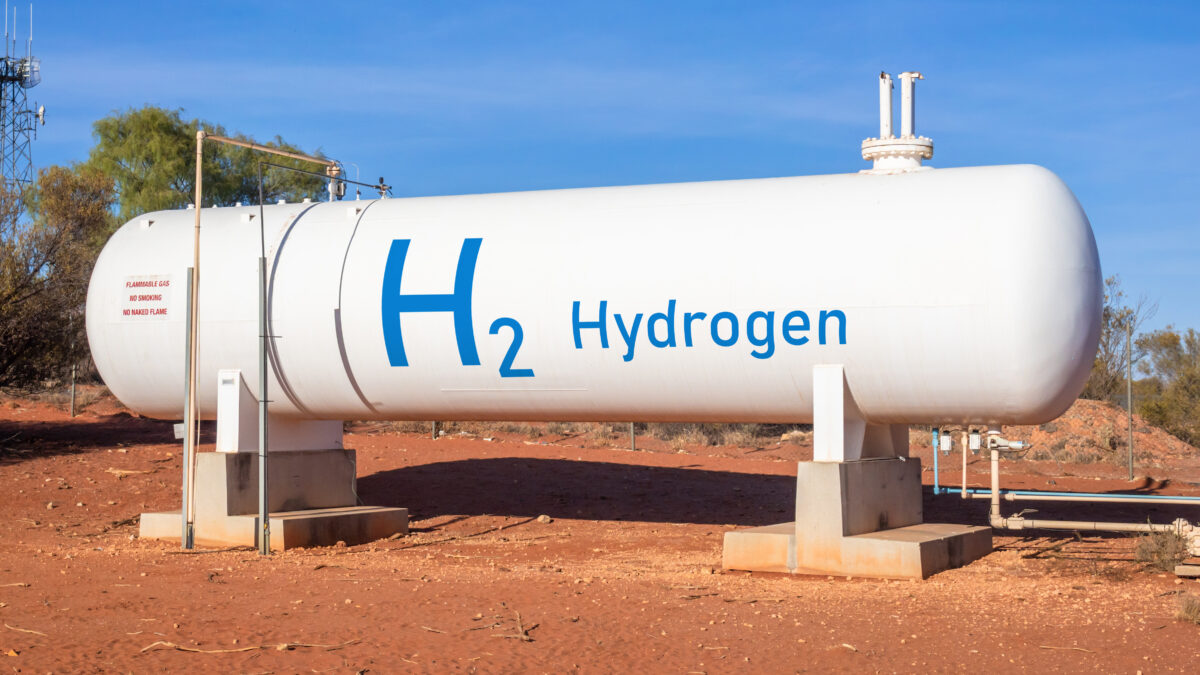
Australia iron ore billionaire Andrew Forrest has met with U.S President Joe Biden and Democrat Joe Manchin to discuss a future of hydrogen. On April 3, Australia’s richest man spent an hour at the White House with Biden in a working meeting involving the commander-in-chief and his senior officials to discuss his ongoing plan to sell green energy to the U.S. “I can say that you’ve got President impatient to get the job done,” Forrest told Sky News on April 3. “He’s an action man, and he sees in us real action. He sees a solution through green hydrogen to global warming, one which can drive employment, drive investment and drive down global warming.” Climate change has been declared as one of the Biden administration’s priorities, with the U.S. president signing an executive order in December 2021 to reach net-zero emissions by 2045, including a 50 percent reduction in building emissions by 2032. The meeting at the White House took place several days after Forrest coined a $50 billion green hydrogen agreement with German energy giant E.ON, which would include the production of 15 million tonnes of green hydrogen by 2030 and the exports of renewable hydrogen from Australia. It has also been revealed that the Western Australian mining magnate recently convinced key U.S Senator Joe Manchin to go into green hydrogen while also flagging his plans to replace coal-fired power stations in the U.S with hydrogen hubs. “It’s tragic in a place like Ohio, West Virginia. People are losing their jobs by the hundreds and even by the 1000s. From coal-fired power stations, coal mining, and there’s nowhere for the poor people to go, their skill is that” he told Sky News on April 3. “We come in and say, actually, you have everything you need for greenfinch. You’ve got pipelines; you’ve got the industrial base. We just made the green electrons,” he said, adding that the technology will swing in in the next three or four years. “Senator Manchin really understands that, like it was an epiphany.” The billionaire argued that investing in hydrogen will reduce dependence on Russian fuels as “the only way to properly compete with Russia is not to buy LNG (liquid natural gas) at all.” “My argument across Europe is don’t compete with them, replace the product with a fuel which will not hurt Ukraine, cannot hurt Ukraine and protect the environment,” he said. Hydrogen storage tank concept. (magann/Adobe Stock) However, the lead author for transport on the Intergovernmental Panel on Climate Change and Professor of Sustainability at Curtin University, Peter Newman, cautioned that the technology was still in its infancy. This is because, in its raw form, hydrogen as a gas cannot be used aboard aircraft due to the high pressures involved, and converting hydrogen into liquid form poses its own challenges. “Hydrogen is too hard to compress and freeze—[and requires temperatures of] minus 253 degrees celsius,” Newman told The Epoch Times on March 2022. Newman outlined that producing hydrogen was rapidly becoming more affordable due to cheaper solar panels and electrolysers—in part thanks to the efforts of FFI—but that the step from hydrogen to a usable fuel remained unproven commercially. “Hydrogen won’t work in planes unless it is converted into synthetic jet fuel,” Newman said. “Hydrogen is not hard to make; it’s just very expensive. Solar is cheap, hydrolysers are getting cheaper, but the steps from hydrogen to synthetic jet fuel are expensive… major breakthroughs are needed.” Meanwhile, a report released on Dec. 7, 2021, by the Australian Human Rights Commission highlighted worrying reports of solar, wind, and battery technology involving slave labour across the world, such as in China and the Democratic Republic of Congo. China—the world’s largest producer of solar panels—has also enslaved millions of ethnic Uyghur, Kyrgyz, and Kazakh citizens who have been found to be involved in the solar supply chain. China is also the dominant supplier in Australia’s solar market, supplying 90 percent of Australia’s solar panels—including most of the panels in the nation’s largest operating solar farms. Daniel Khmelev contributed to this report. Follow Nina Nguyen is a reporter based in Sydney. She covers Australian news with a focus on social, cultural, and identity issues. She is fluent in Vietnamese. Contact her at nina.nguyen@epochtimes.com.au.