Ever since Ronald Reagan popularized the term
“Big Government,” Republicans have raged against the imaginary scourge of
overpaid do-nothing civil servants. Conservatives claim that government
employees—the overwhelming majority of whom earn middle-class salaries—sit back
on their haunches doing nothing, unlike the efficient and hardworking leaders
of the private sector. In reality, the single highest salary in the federal government goes to
a man after their own heart: a fossil fuel CEO biting his thumb at any effort
to green the energy grid, who previously led a company that poisoned North Carolina’s drinking water
and faced no repercussions for it.
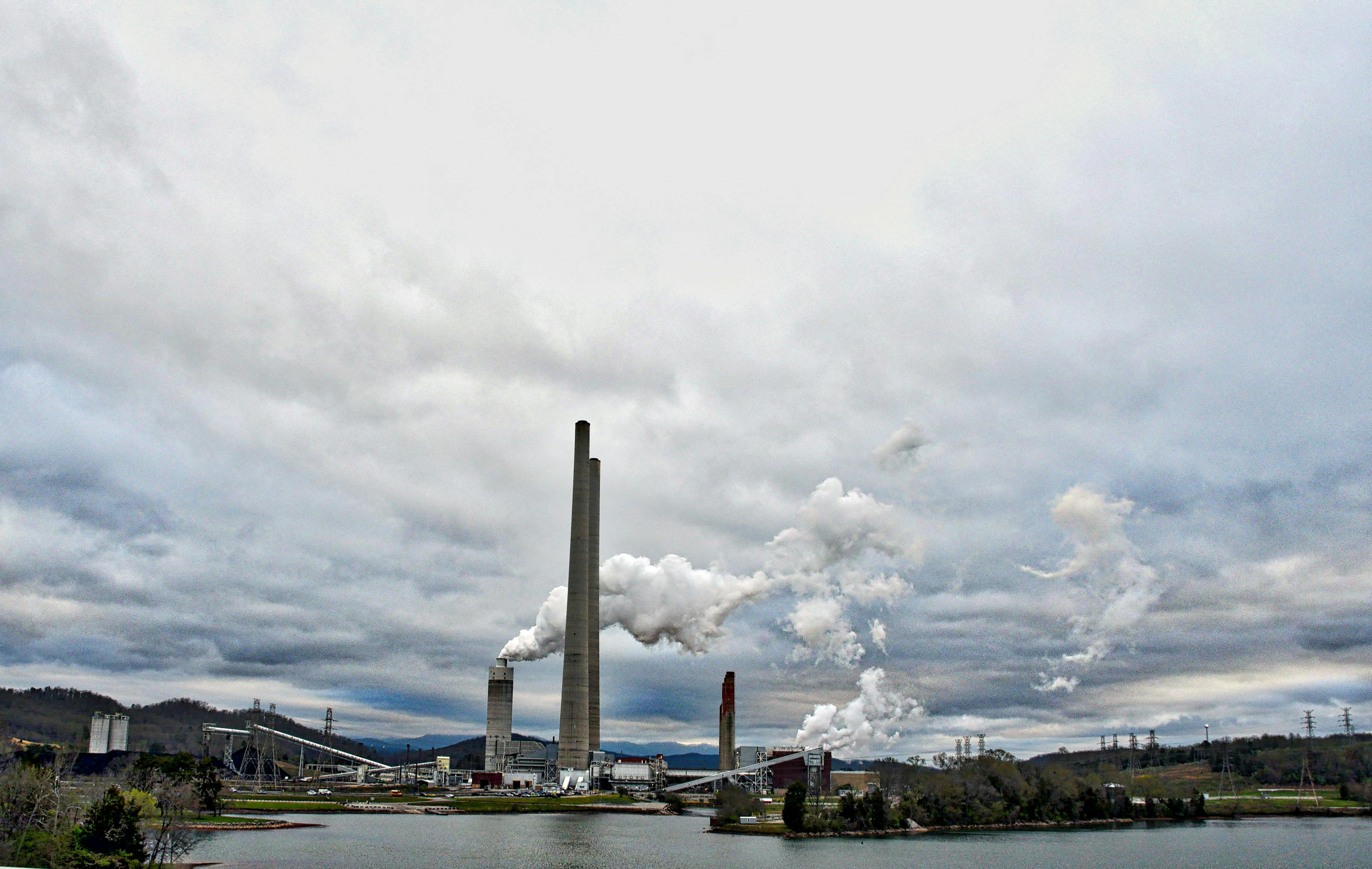
Jeff Lyash has been president and CEO of the
Tennessee Valley Authority, a federally owned public utility that operates much
like a private corporation and provides electricity to over 10 million people in
Tennessee and several surrounding states, since 2019. His total compensation including pay and benefits
was a whopping $9,882,680 in 2021. (Back when his compensation package was only $8 million, Lyash caught the attention of President Trump, who declared the person heading TVA should make a maximum of $500,000.)
While Lyash’s salary is not taxpayer-funded, it
is funded by TVA customers—the region’s
residents, who generate 100 percent of TVA’s operating revenues. These customers
do not have a choice about the matter, given that TVA has blocked local power companies from purchasing
power from any other utility. And being federally owned, TVA also does not pay
state, local, or federal taxes and therefore receives a competitive advantage
compared to private utilities.
For context, the highest-compensated
taxpayer-funded federal employee is Dr. Anthony Fauci, who earned $434,000 in 2020. That’s less than 5 percent of what Lyash made last year. TVA’s board argues that the CEO salary must be competitive
compared to private sector CEO positions in order to attract talent and
expertise. That’s the same justification used for the exorbitant salaries in
another corner of the federal government, the Private Company Accounting
Oversight Board, which was originally established by Congress to ensure that
auditing companies produce fair audits of public companies. PCAOB has also been
plagued by predictable corporate capture, corruption, and malfeasance
from its CEOs turned civil servants.
Lyash comes from a long career of fossil fuel extraction and
profiteering, and judging by his leadership so far, he hopes to continue that
trend while at TVA. He was executive vice president of energy supply for Duke
Energy, a notorious bad actor in the energy industry, for
six months
in 2012.
He came to Duke after it purchased his former employer of 17 years, Progress
Energy, where he was also EVP of energy supply. His TVA bio
brags that he “led engineering, maintenance and operations of [Duke’s]
42,000-megawatt generation fleet, fuel procurement, power trading, major
projects and construction, environmental programs, and health and safety
programs.”
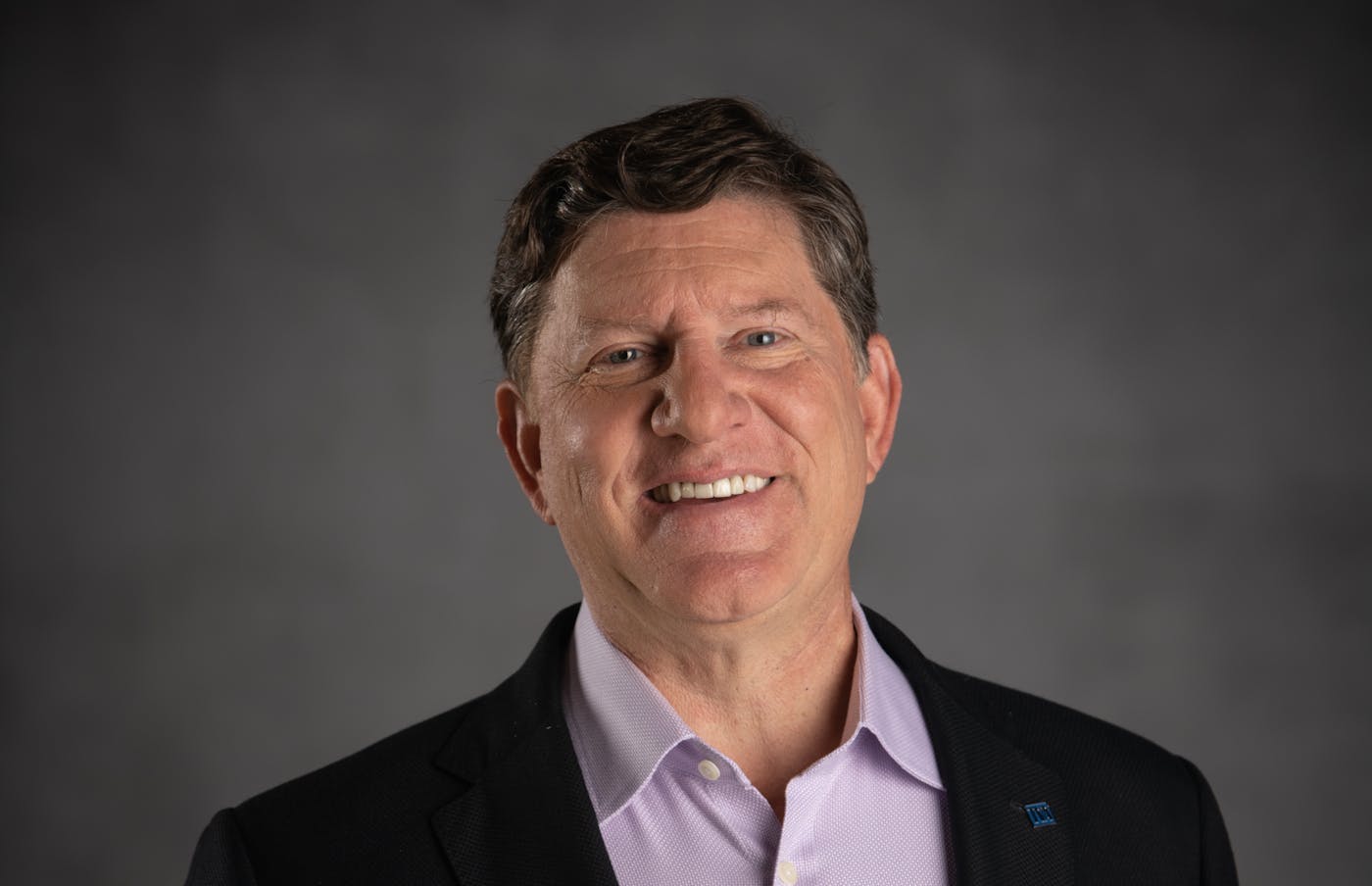
Jeff Lyash
Tennessee Valley Authority
At the time of Lyash’s leadership, Duke coal
plants—which Lyash claims
to have overseen—were polluting North Carolina waterways with coal ash sludge,
making the water toxic to drink and harming native fish, plant, and bird
species. Pollution dumping grounds chosen by Duke leaked toxic chemicals into
groundwater that provided the sole water supply for nearly one million
residents. Luckily for Lyash, North Carolina didn’t bring Clean Water Act
litigation against Duke until after
he had left his post, but the accumulation of contaminants under his leadership
was so great that enforcement was mandated even under the state’s relaxed environmental quality permitting system.
After leaving Duke Energy, Lyash was briefly a
private energy industry consultant before working at Chicago Bridge & Iron
(an energy infrastructure company with assets in coal, oil, and gas) and then Ontario Power Generation in Canada.
Today, Lyash’s TVA still gets 21 percent of its energy from coal and 26 percent from
methane gas. Under Lyash’s leadership, the TVA has plans to retire
less than 25 percent of its coal fleet by 2030, and by its own projections, the regional utility will emit
over 34 million tons of carbon dioxide into the atmosphere by 2038.
Since becoming CEO of TVA, Lyash has told
numerous bold-faced lies in service of fossil fuel profits. He openly (and incorrectly) blamed
wind energy for the blackouts that occurred in Texas last year. And
he continues to spout the untruth that TVA is aligned with the Biden
administration target to reduce carbon pollution in the
electricity sector to zero by 2035, when, in fact, TVA’s official emissions
reductions “plan” is to “aspire to achieve net-zero
carbon emissions” around 2050.
It’s unclear what Lyash is doing to earn his
fat salary. But the TVA board—which is made up of nine president-nominated, Senate-confirmed members, five of which were nominated by Trump—gave Lyash even more authority last November.* The
board can fire Lyash just as any private corporate board can fire its CEO, but
in November it instead voted to give him full decision-making authority
regarding the TVA’s Kingston and Cumberland coal plants. Lyash, who has repeated the industry talking point that
fossil gas should be a “bridge fuel,” now gets to decide when these fossil fuel
sources will be replaced with solar plants, if ever.
Then, in a February board meeting, the TVA board voted to give Lyash authority to approve and
fill vacancies on TVA’s federal regulatory oversight committees. These advisory
committees are considered to be a large part of TVA’s
“stakeholder process.” But because the TVA (now just Lyash) chooses the
committee members, he gets to pick the “oversight” he would like to receive.
The board also granted Lyash the ability to approve property
acquisitions up to $50 million and capital projects up to $200 million, as well
as to develop, implement, and modify TVA economic development programs.
With all this new power, it’s concerning how
little the public knows about Lyash’s personal investments and priorities. The
TVA’s conflict of interest policy requires that the
CEO not hold a financial interest in any distributor of TVA power or in “any
entity that may reasonably be perceived as likely to be adversely affected by
the success of TVA as a producer or transmitter of electric power.” Yet Lyash
is not required to publicize his personal financial disclosure as other federal
employees are required to do.
So, to recap, we have a former fossil fuel
executive in an unelected, unaccountable, decision-making position at a public,
federally owned utility, who is raking in nearly $10 million per year. The
board, which is also allied with fossil fuels, just transferred even more power
to him. His decisions affect the energy costs and supply for over 10 million
people and his financial interests are, at the time, a complete mystery to the
public.
If this is beginning to feel like an
oligarchic situation, that’s because it is. So what can be done, at least in
the short term, to further climate, economic, and energy justice?
First, Lyash should publish his financial
disclosures, and this should be a requirement for anyone heading the TVA going
forward. This should be the bare minimum for the leader of a federally owned
utility.
Second, the reason Lyash has so much power is
because the board has handed him the reins. That means there is also a problem
with the board, which is made up of people with fossil fuel, corporate, and GOP
backgrounds. Biden has so far nominated three
new members to fill empty seats and replace members whose terms expire in May,
but he actually has the power to nominate an entirely new slate, since the board
serves at the will of the president. He should nominate a slate of people
committed to climate action and energy justice and request that the Senate
confirm them quickly.
A new board could, then, choose to fire Lyash
and hire a new CEO who might more plausibly have the best interest of the
environment and TVA’s customers in mind.
With strong, public-minded advocates at the helm
of the TVA, it could be a national leader in transitioning to clean energy and once and for all breaking our country’s deadly addiction to fossil fuels.
There is no time to waste—not with Jeff Lyash in charge.
* An earlier version of this piece misstated the number of TVA board members that have been nominated by President Biden.
Latest From Apocalypse Soon
Ever since Ronald Reagan popularized the term “Big Government,” Republicans have raged against the imaginary scourge of overpaid do-nothing civil servants. Conservatives claim that government employees—the overwhelming majority of whom earn middle-class salaries—sit back on their haunches doing nothing, unlike the efficient and hardworking leaders of the private sector. In reality, the single highest salary in the federal government goes to a man after their own heart: a fossil fuel CEO biting his thumb at any effort to green the energy grid, who previously led a company that poisoned North Carolina’s drinking water and faced no repercussions for it.Jeff Lyash has been president and CEO of the Tennessee Valley Authority, a federally owned public utility that operates much like a private corporation and provides electricity to over 10 million people in Tennessee and several surrounding states, since 2019. His total compensation including pay and benefits was a whopping $9,882,680 in 2021. (Back when his compensation package was only $8 million, Lyash caught the attention of President Trump, who declared the person heading TVA should make a maximum of $500,000.)While Lyash’s salary is not taxpayer-funded, it is funded by TVA customers—the region’s residents, who generate 100 percent of TVA’s operating revenues. These customers do not have a choice about the matter, given that TVA has blocked local power companies from purchasing power from any other utility. And being federally owned, TVA also does not pay state, local, or federal taxes and therefore receives a competitive advantage compared to private utilities.For context, the highest-compensated taxpayer-funded federal employee is Dr. Anthony Fauci, who earned $434,000 in 2020. That’s less than 5 percent of what Lyash made last year. TVA’s board argues that the CEO salary must be competitive compared to private sector CEO positions in order to attract talent and expertise. That’s the same justification used for the exorbitant salaries in another corner of the federal government, the Private Company Accounting Oversight Board, which was originally established by Congress to ensure that auditing companies produce fair audits of public companies. PCAOB has also been plagued by predictable corporate capture, corruption, and malfeasance from its CEOs turned civil servants.Lyash comes from a long career of fossil fuel extraction and profiteering, and judging by his leadership so far, he hopes to continue that trend while at TVA. He was executive vice president of energy supply for Duke Energy, a notorious bad actor in the energy industry, for six months in 2012. He came to Duke after it purchased his former employer of 17 years, Progress Energy, where he was also EVP of energy supply. His TVA bio brags that he “led engineering, maintenance and operations of [Duke’s] 42,000-megawatt generation fleet, fuel procurement, power trading, major projects and construction, environmental programs, and health and safety programs.”Jeff LyashTennessee Valley AuthorityAt the time of Lyash’s leadership, Duke coal plants—which Lyash claims to have overseen—were polluting North Carolina waterways with coal ash sludge, making the water toxic to drink and harming native fish, plant, and bird species. Pollution dumping grounds chosen by Duke leaked toxic chemicals into groundwater that provided the sole water supply for nearly one million residents. Luckily for Lyash, North Carolina didn’t bring Clean Water Act litigation against Duke until after he had left his post, but the accumulation of contaminants under his leadership was so great that enforcement was mandated even under the state’s relaxed environmental quality permitting system.After leaving Duke Energy, Lyash was briefly a private energy industry consultant before working at Chicago Bridge & Iron (an energy infrastructure company with assets in coal, oil, and gas) and then Ontario Power Generation in Canada. Today, Lyash’s TVA still gets 21 percent of its energy from coal and 26 percent from methane gas. Under Lyash’s leadership, the TVA has plans to retire less than 25 percent of its coal fleet by 2030, and by its own projections, the regional utility will emit over 34 million tons of carbon dioxide into the atmosphere by 2038.Since becoming CEO of TVA, Lyash has told numerous bold-faced lies in service of fossil fuel profits. He openly (and incorrectly) blamed wind energy for the blackouts that occurred in Texas last year. And he continues to spout the untruth that TVA is aligned with the Biden administration target to reduce carbon pollution in the electricity sector to zero by 2035, when, in fact, TVA’s official emissions reductions “plan” is to “aspire to achieve net-zero carbon emissions” around 2050.It’s unclear what Lyash is doing to earn his fat salary. But the TVA board—which is made up of nine president-nominated, Senate-confirmed members, five of which were nominated by Trump—gave Lyash even more authority last November.* The board can fire Lyash just as any private corporate board can fire its CEO, but in November it instead voted to give him full decision-making authority regarding the TVA’s Kingston and Cumberland coal plants. Lyash, who has repeated the industry talking point that fossil gas should be a “bridge fuel,” now gets to decide when these fossil fuel sources will be replaced with solar plants, if ever.Then, in a February board meeting, the TVA board voted to give Lyash authority to approve and fill vacancies on TVA’s federal regulatory oversight committees. These advisory committees are considered to be a large part of TVA’s “stakeholder process.” But because the TVA (now just Lyash) chooses the committee members, he gets to pick the “oversight” he would like to receive.The board also granted Lyash the ability to approve property acquisitions up to $50 million and capital projects up to $200 million, as well as to develop, implement, and modify TVA economic development programs.With all this new power, it’s concerning how little the public knows about Lyash’s personal investments and priorities. The TVA’s conflict of interest policy requires that the CEO not hold a financial interest in any distributor of TVA power or in “any entity that may reasonably be perceived as likely to be adversely affected by the success of TVA as a producer or transmitter of electric power.” Yet Lyash is not required to publicize his personal financial disclosure as other federal employees are required to do.So, to recap, we have a former fossil fuel executive in an unelected, unaccountable, decision-making position at a public, federally owned utility, who is raking in nearly $10 million per year. The board, which is also allied with fossil fuels, just transferred even more power to him. His decisions affect the energy costs and supply for over 10 million people and his financial interests are, at the time, a complete mystery to the public.If this is beginning to feel like an oligarchic situation, that’s because it is. So what can be done, at least in the short term, to further climate, economic, and energy justice?First, Lyash should publish his financial disclosures, and this should be a requirement for anyone heading the TVA going forward. This should be the bare minimum for the leader of a federally owned utility.Second, the reason Lyash has so much power is because the board has handed him the reins. That means there is also a problem with the board, which is made up of people with fossil fuel, corporate, and GOP backgrounds. Biden has so far nominated three new members to fill empty seats and replace members whose terms expire in May, but he actually has the power to nominate an entirely new slate, since the board serves at the will of the president. He should nominate a slate of people committed to climate action and energy justice and request that the Senate confirm them quickly.A new board could, then, choose to fire Lyash and hire a new CEO who might more plausibly have the best interest of the environment and TVA’s customers in mind. With strong, public-minded advocates at the helm of the TVA, it could be a national leader in transitioning to clean energy and once and for all breaking our country’s deadly addiction to fossil fuels. There is no time to waste—not with Jeff Lyash in charge.* An earlier version of this piece misstated the number of TVA board members that have been nominated by President Biden.Latest From Apocalypse Soon